20+
Years of Standardized Laboratory Management



Years of Standardized Laboratory Management

Years of Hematology Analyzer Development

Innovative Technologies and Intelligent Platforms for New Advanced Automated Animal Hematology Analyzers
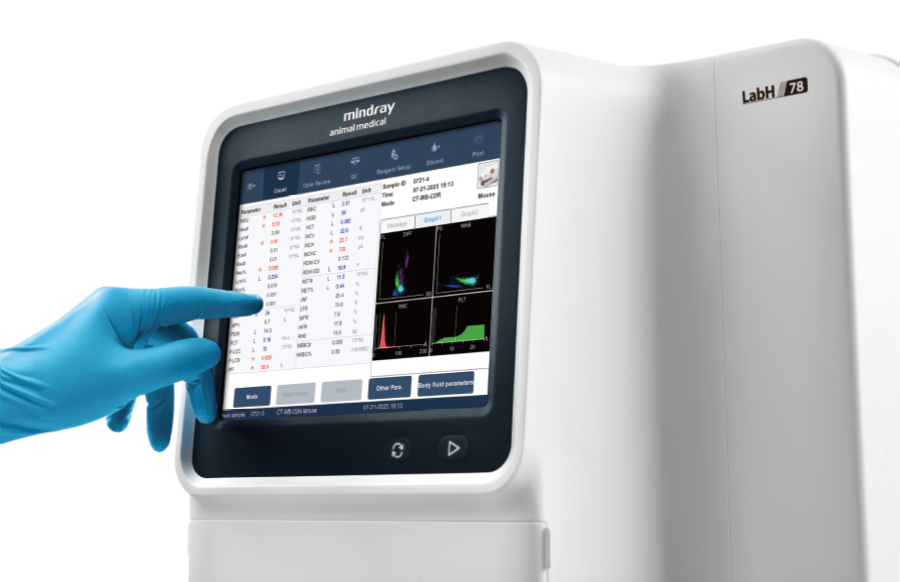
Mindray Animal Medical is committed to using the latest in scientific innovation and the highest quality standard in animal care to develop leading-edge hematological analyzers specifically developed for animal medical care. Mindray Animal Medical strives to advance scientific excellence continuously.
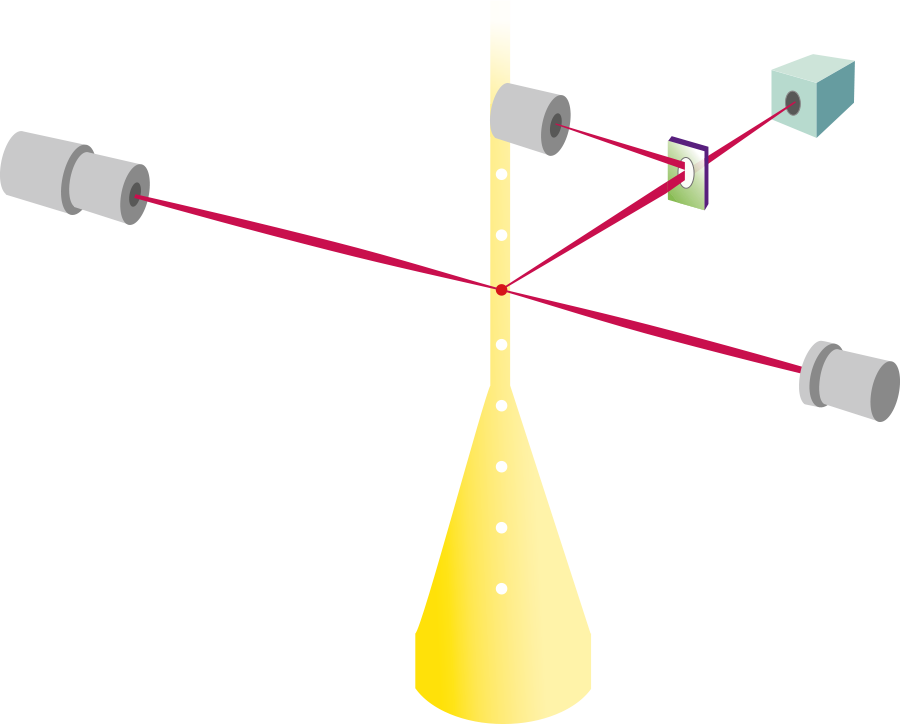
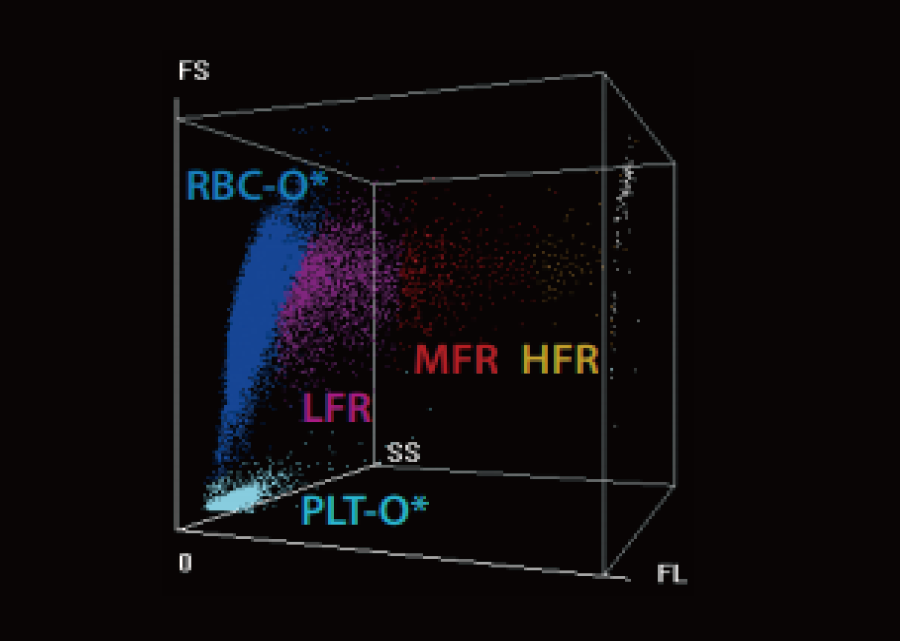
Mindray's patented SF-Cube technology* (3D cell analysis) utilizes forward, side-scatter and fluorescent signals. The LabH 78 facilitates precision detection of animal white blood cells, nucleated red blood cells and reticulocytes, and can also detect abnormal blood cells.
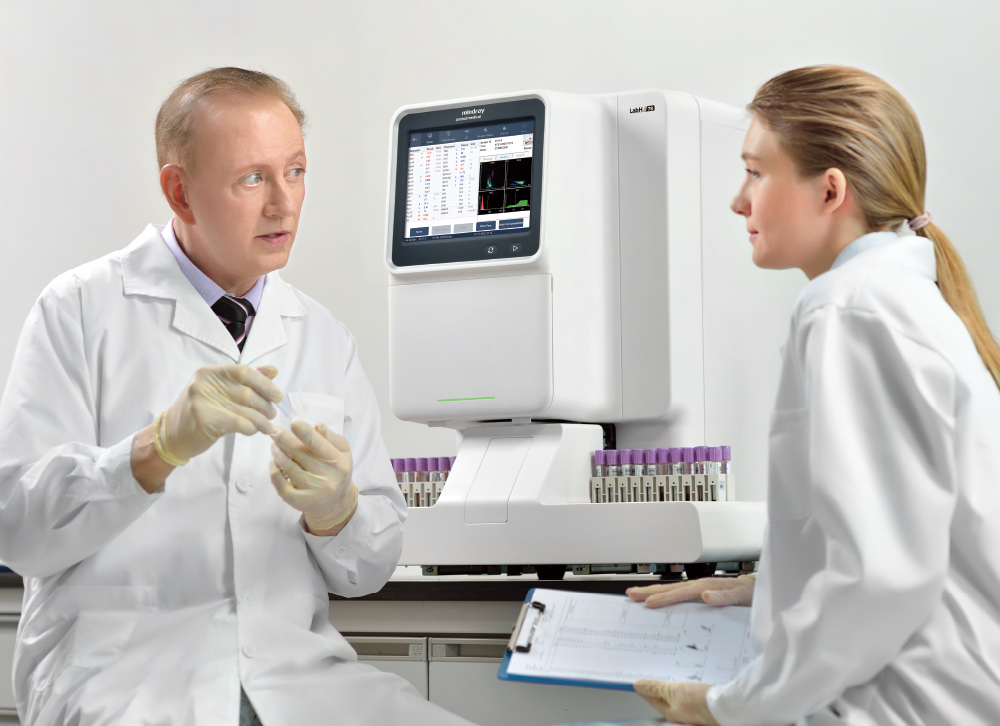
The LabH 78 has transformed veterinary hematology through innovation and advanced technology with its high performance design and exceptional reliability, thanks to highly effective parameters proven to be clinically relevant. In addition to core laboratory applications, its built-in multi-species settings meet the needs of veterinary scientific research, reference laboratories, and conservations/zoos.
*Chinese Invention Patent, CN202310106825.0

Automatically increases the number of cells analyzed for low-value samples, thereby improving the accuracy of classification and alarm information.
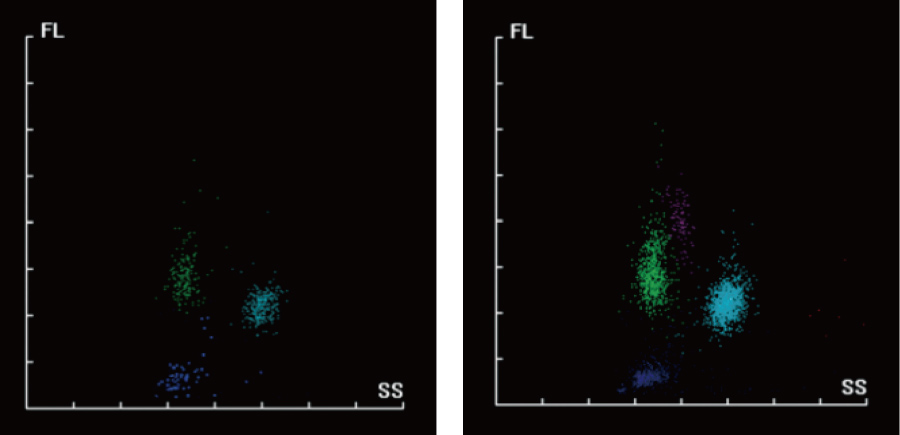
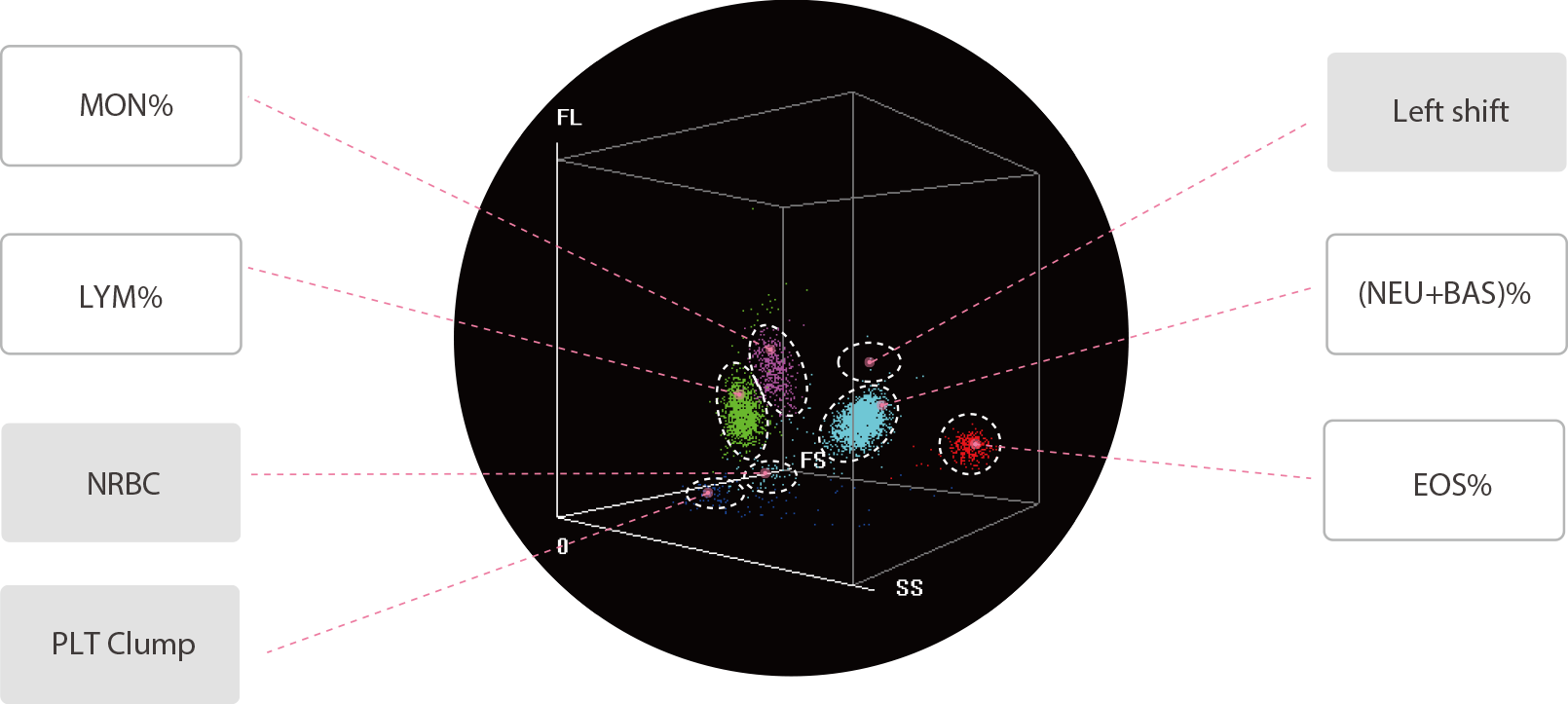
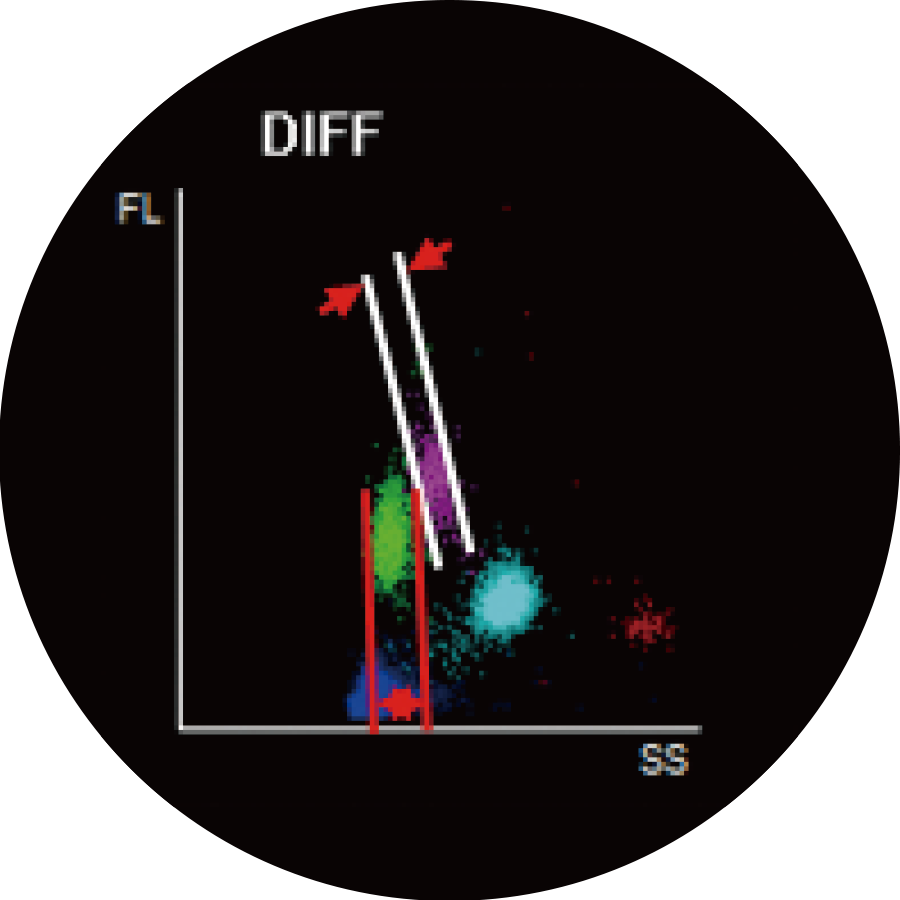
SF-Cube 3D analysis technology is combined with a time dimension to create spatiotemporal analysis, which can accurately classify white blood cells. Screening for abnormal cells is enhanced and anti-interference capability is also significantly improved.

Resolves lymphocyte/monocyte overlap in 2D plots to enable precise white-cell classification.
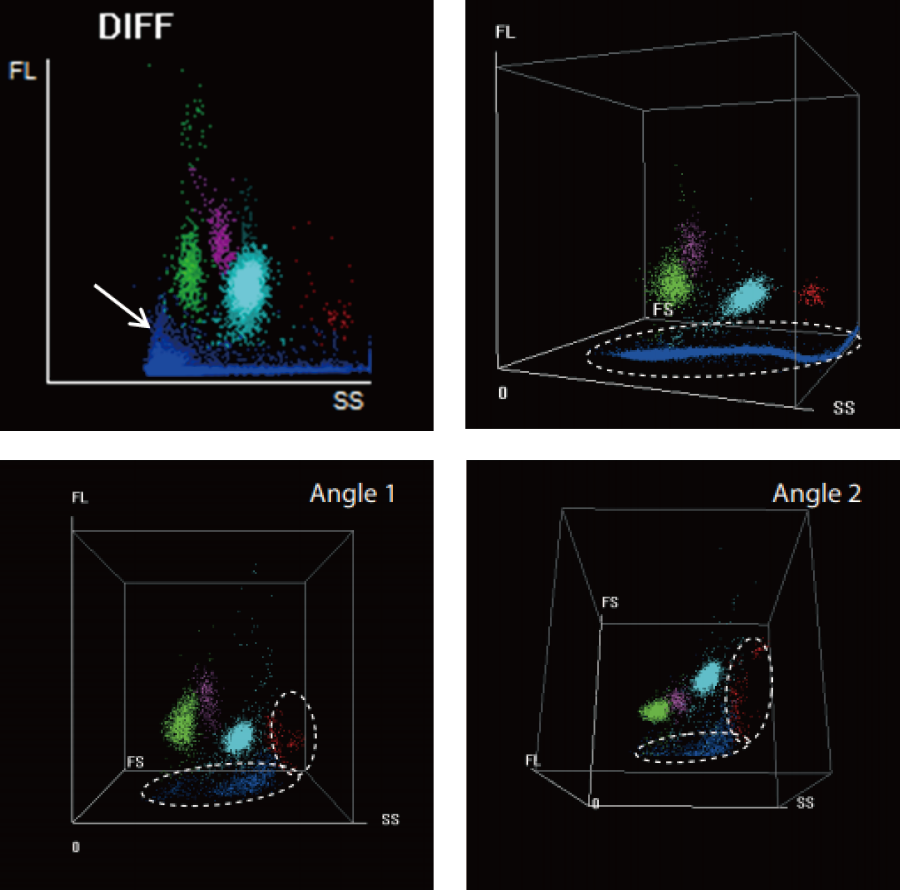

In a DIFF scattergram, only WBCs are stained by fluorescent dyes, whereas lipid particles are not. This prevents interference and ensures more accurate WBC results. With information obtained through 3D analysis, PLT clumps are well separated from each cluster of WBCs.
Anemia refers to a reduced number of red blood cells in the systemic circulation below the normal value. It is one of the most common clinical manifestations, but is not a disease in itself. However, it can be a symptom of a more complex disease.
The underlying cause should always be investigated. Bone marrow reactivity can be determined and used to classify it as aplastic anemia or non-regenerative anemia.
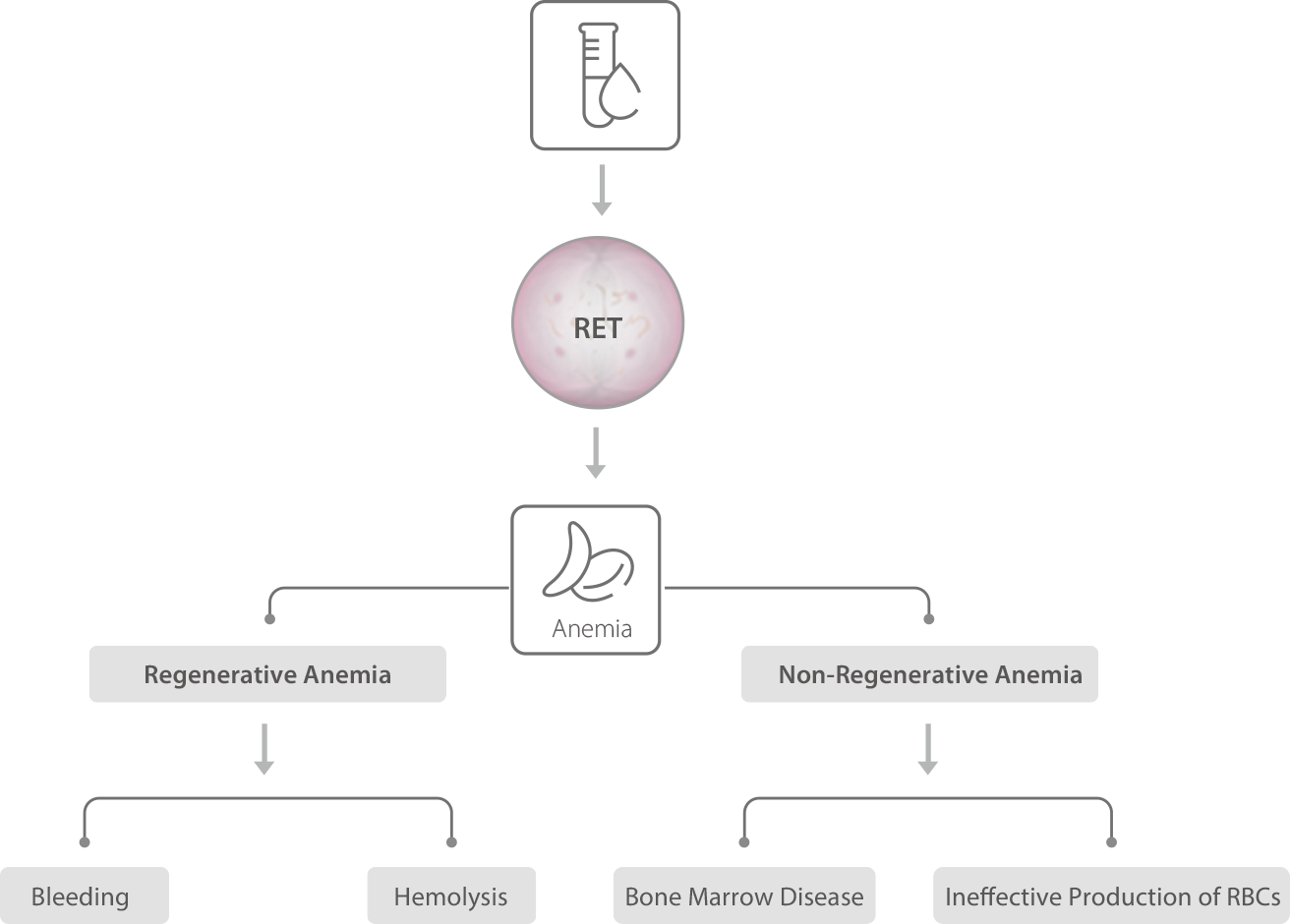
In anemia, the number of new red blood cells produced by the bone marrow increases.
In anemia, red blood cells are not produced or are produced less in the bone marrow.
The reticulocyte count (RET#) is an important indicator used to distinguish between regenerative anemia and non-regenerative anemia.

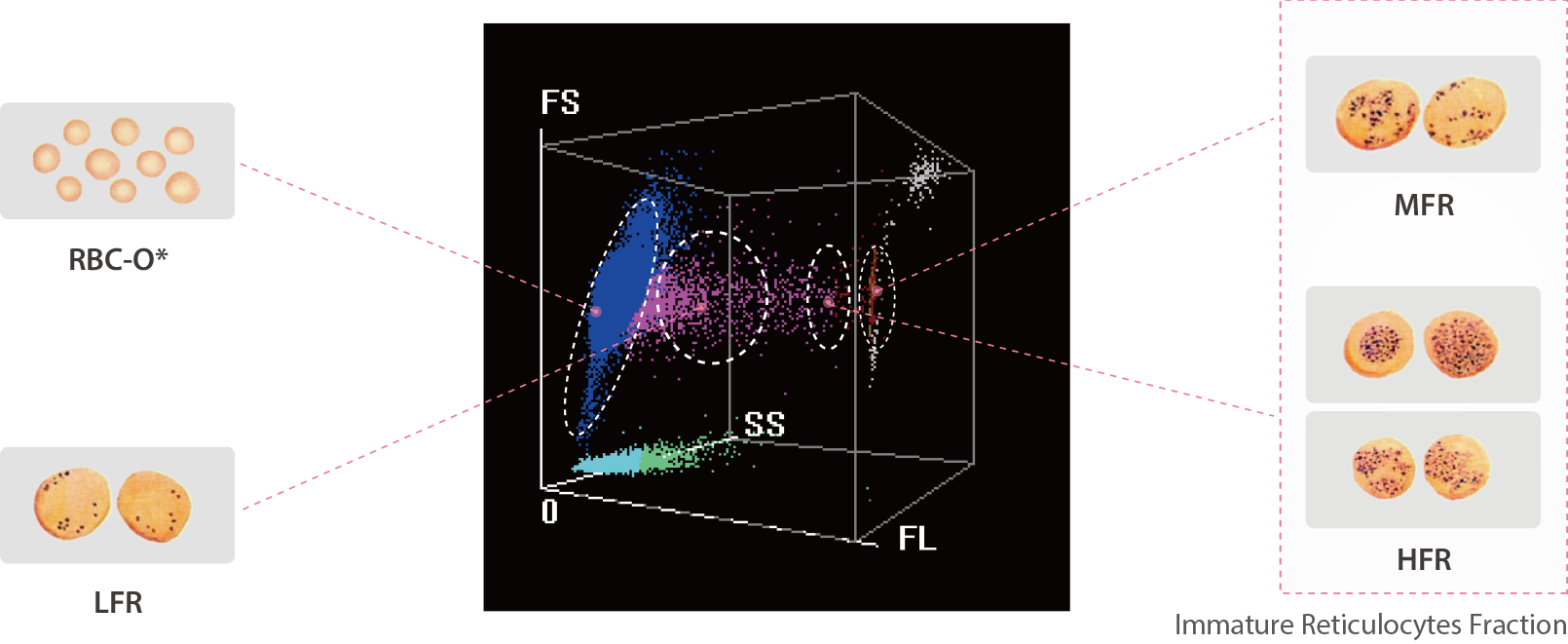
(Reticulocyte Hemoglobin Expression) Provides clinical evidence for the differential diagnosis and monitoring of iron deficiency anemia.
(Number of Immature Platelets) This parameter can be used to guide platelet transfusion and monitor the progress of platelet production.

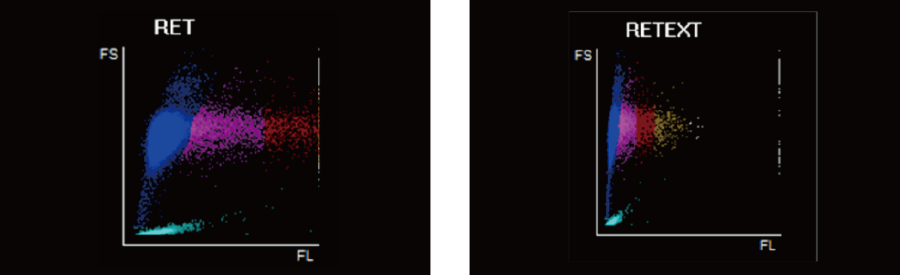
By improving the ability of fluorescent dyes to recognize RNA, the response of fluorescent dyes to DNA is reduced. The specificity of new FR fluorescent dyes for nucleic acids has been greatly improved. Sensitivity has also been significantly enhanced.

One of the common clinical causes of animal platelet aggregation in vitro is EDTA-dependent pseudo-thrombocytopenia. Solving our customers' professional 'pain points' drives our pursuit of excellence. Mindray's platelet aggregation self-processing technology is based on the analysis of authoritative cases and expert opinions. After 6 years, we have successfully overcome the problems affecting clinical examination caused by platelet aggregation.
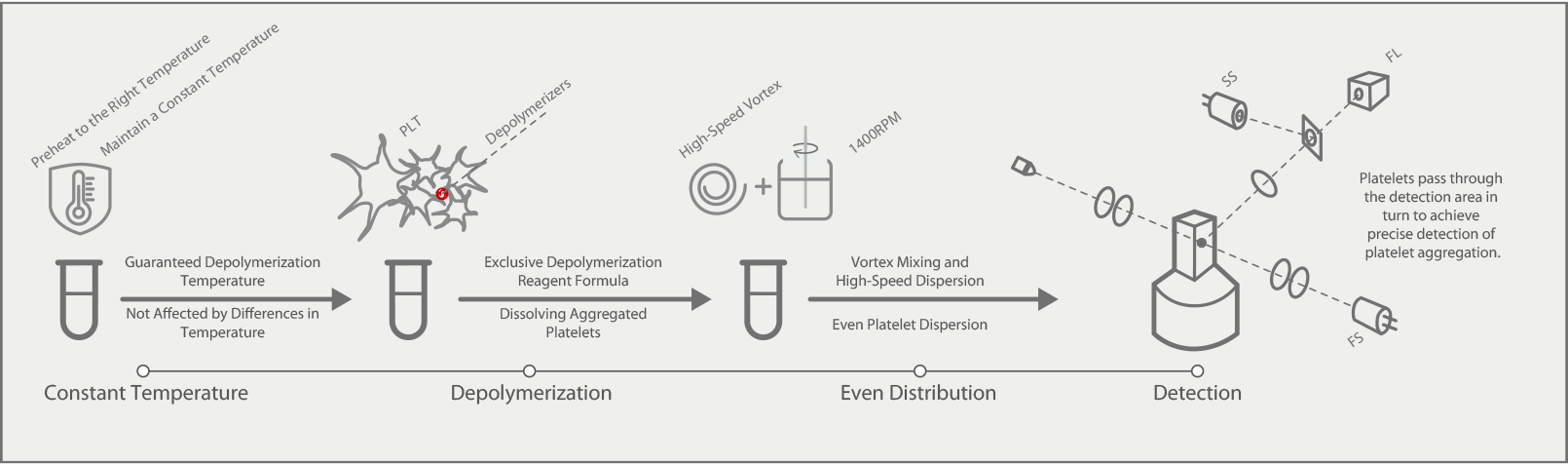
Aggregation self-processing addresses falsely low platelet values caused by EDTA-PTCP.

High-effciency fluorescent dyes enhance the specificity of targeted cells, accurately capturing nucleic acid in PLT cells and precisely pinpointing platelets. This process avoids interference from small red blood cells, red blood cell fragments, and white blood cell fragments on platelet detection, while bringing the immature platelet ratio closer to a clinically true value.
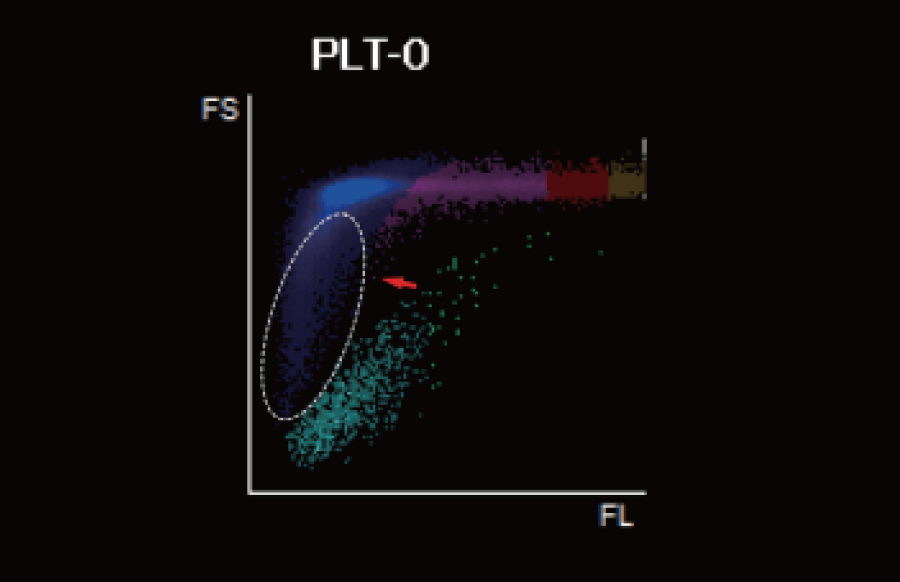
Small RBC/RBC Fragment Interference
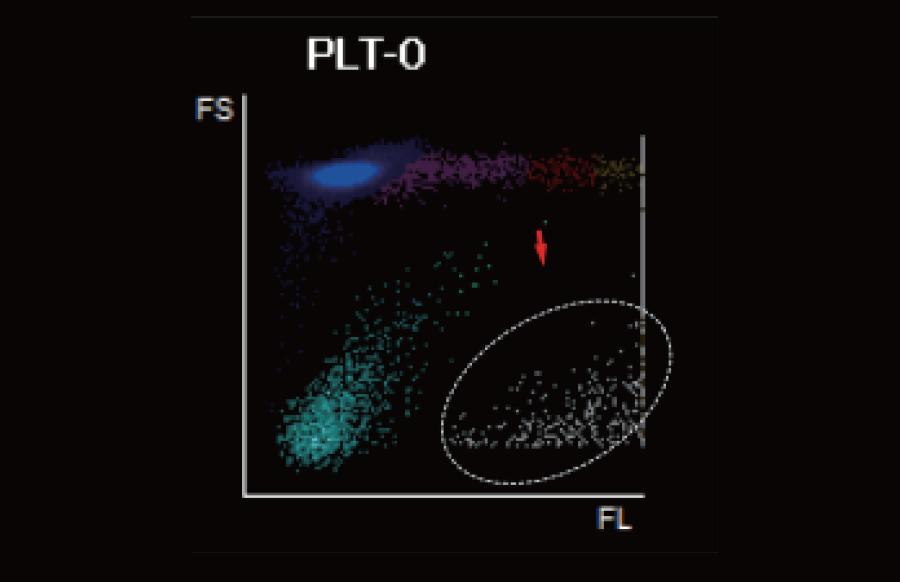
WBC Fragment Interference

Original innovative design of reflected light suppression technology and SiPM (silicon photo multiplier) with high sensitivity to fluorescence detection. The design resolves particles as small as 1μm, which ensures that sample results are not affected by large or small platelets. This overcomes the issue of falsely low platelet readings due to missed detection of large or small PLTs.
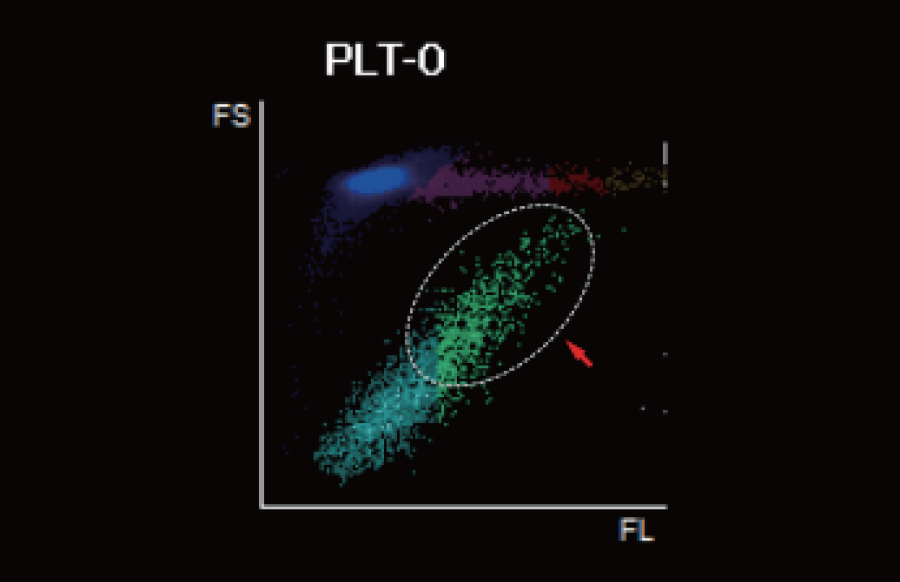
Immature PLT Sample*
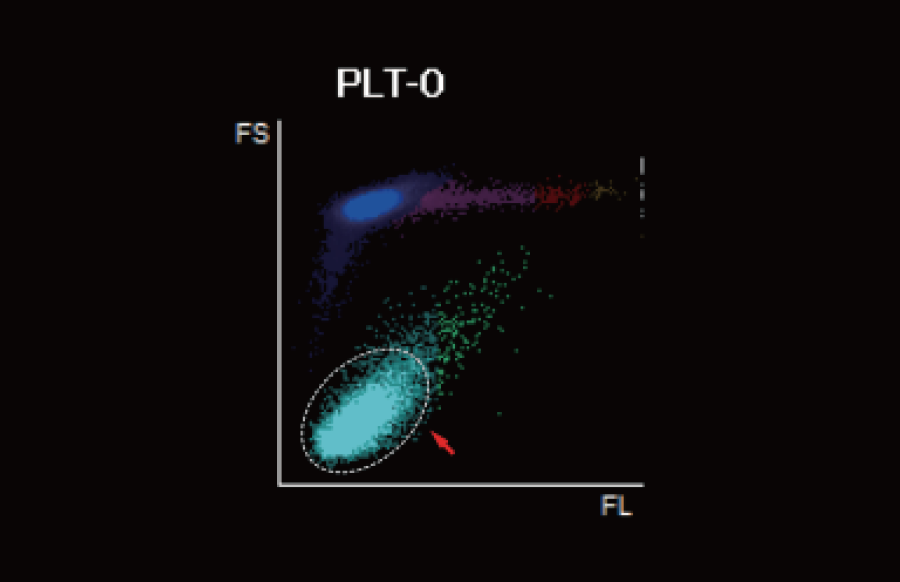
Small PLT Sample


Species are predefined to enable automatic identification without the need for manual intervention.
Sufficient clinical verification and complete set of reference ranges for scientific research and clinical use.
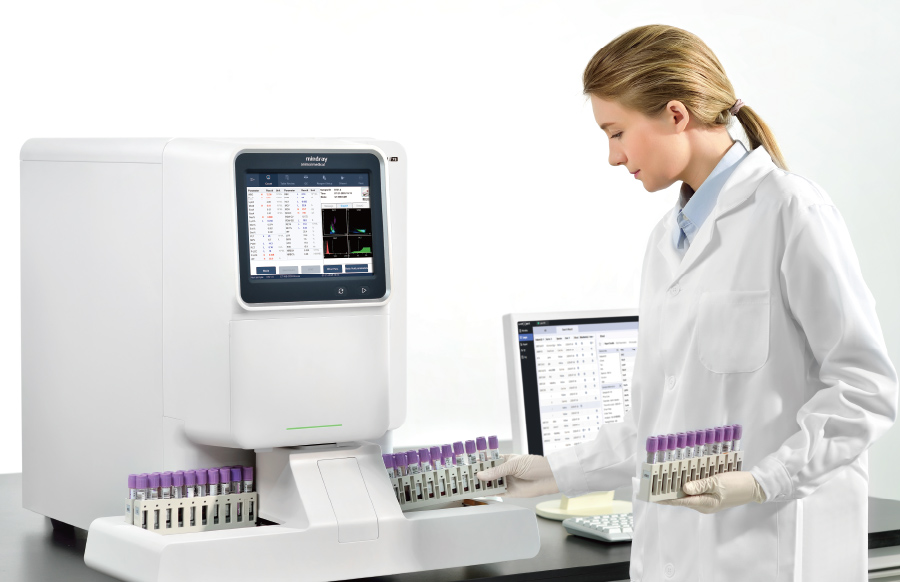

110 tests/hour, RET: 65 tests/hour
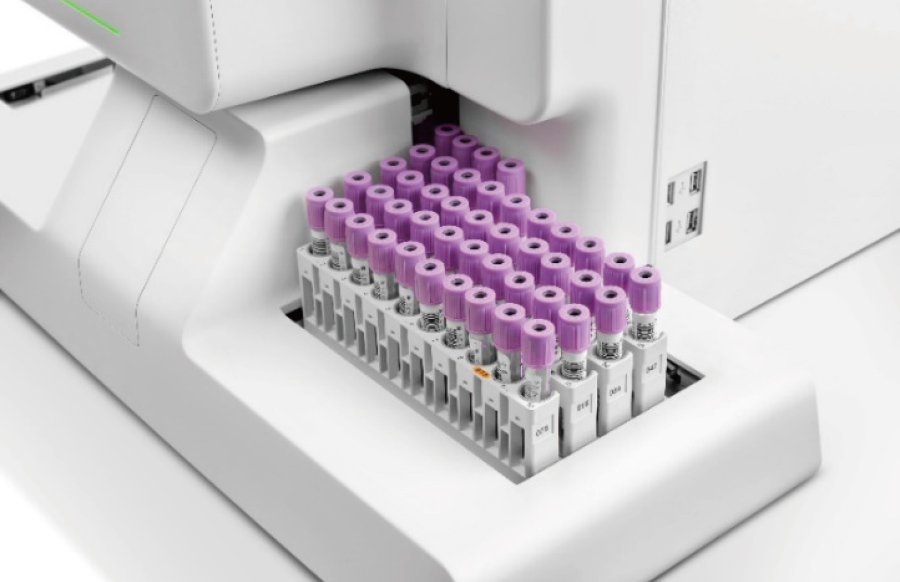
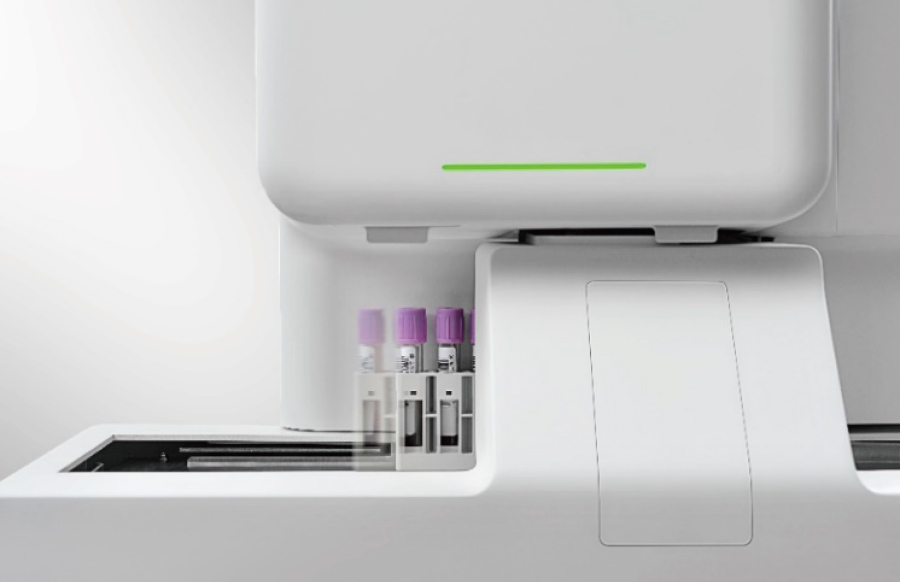
LabH 78 can load up to 50 samples at a time and sample loading can be performed continuously.
2 Counting modes: STAT-priority testing improves throughput

70μL whole blood or 48μL micro-whole blood for WBC DIFF, NRBC, RET and related parameters including low WBC and low platelet counts.
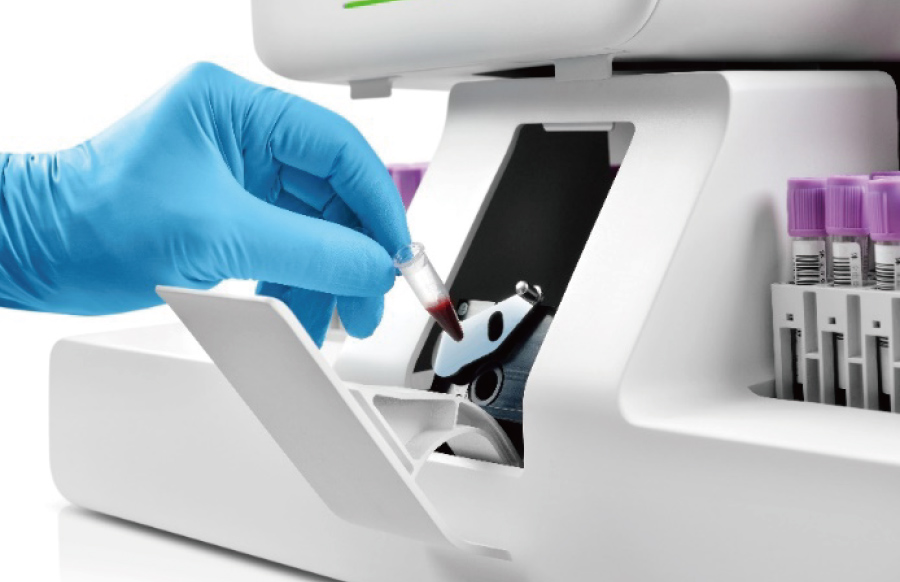

Re-examination rules can be preset; for abnormal samples the analyzer automatically reruns or performs reflex testing (~2 minutes), saving ~80% of the routine rerun time.

Minimal maintenance is required. A daily probe clean is simple while intelligent system maintenance can be initiated by one simple tap on the screen.